

Beyond the Scoreboard: How Recreation and Sports Build Health, Skill, and Community
Understanding Recreation and Sports
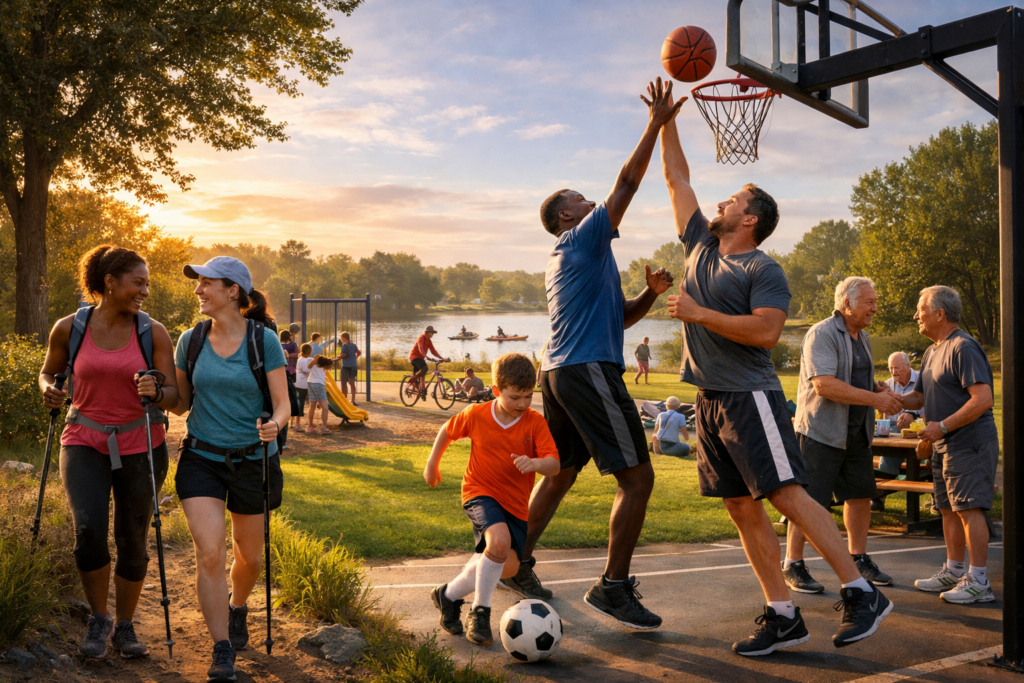
Recreation and sports are closely related, but they are not the same. Recreation refers to enjoyable activities chosen freely for relaxation, fun, or personal renewal—think hiking, casual cycling, dancing, or a weekend swim. Sports are structured physical activities with established rules, goals, and often competition, such as basketball, tennis, or athletics. Many activities sit in the middle: a friendly soccer match at the park can be recreational for one person and highly competitive for another. What matters most is participation, consistency, and the positive role these activities play in daily life.
Why Recreation and Sports Matter
In a world shaped by screen time, sedentary work, and stress, movement is a form of preventive care and a pathway to stronger communities. Recreation and sports offer benefits that extend well beyond physical fitness, influencing emotional wellbeing, learning, and social connection.
Physical Health Benefits
Regular activity supports nearly every system in the body. It strengthens the heart and lungs, improves circulation, enhances muscle and bone density, and helps maintain healthy body composition. Recreational activity can also improve posture and mobility, reducing the risk of injury from daily tasks. For children and teens, sports support growth, coordination, and foundational motor skills; for adults and older adults, movement helps protect independence and balance.
- Cardiovascular fitness: Running, swimming, cycling, and many team sports elevate heart rate and improve endurance.
- Strength and resilience: Sports that involve jumping, sprinting, or resistance build muscular strength and bone health.
- Injury prevention: Activities that enhance flexibility, stability, and coordination lower risk in daily life and athletics.
Mental and Emotional Wellbeing
Movement is a reliable tool for stress management. Physical activity encourages the release of mood-supporting neurotransmitters and provides a break from ruminating thoughts. Recreation can be restorative—like a quiet walk in nature—while sports can provide energizing focus and a sense of achievement. The psychological value increases when goals are realistic, progress is tracked, and participation feels self-directed rather than forced.
- Stress reduction: Activity can lower tension and improve sleep quality.
- Confidence: Skill development and fitness milestones create a sense of competence.
- Emotional regulation: Sports teach coping with pressure, setbacks, and uncertainty.
Social Connection and Community
Sports and recreation are social by nature. They create shared routines, friendly accountability, and opportunities to meet people outside one’s usual circles. From local leagues to informal pickup games, participation fosters belonging. Communities with accessible recreation spaces—parks, courts, trails, and community centers—often experience stronger civic ties because residents have more chances to interact positively.
Different Forms of Participation
There is no single “right” way to engage. People can choose activities aligned with their personality, schedule, budget, and physical needs. Variety also helps prevent burnout and overuse injuries.
Individual Activities
Individual pursuits such as running, yoga, rowing, strength training, and skating are flexible and often easier to schedule. They can be tailored to personal goals—endurance, strength, mobility, or stress relief. Many people enjoy individual sports because progress is measurable and the pace is self-managed.
Team and Partner Sports
Team and partner sports—volleyball, basketball, football, badminton, tennis, and doubles pickleball—offer built-in camaraderie and shared strategy. They also develop communication, leadership, and adaptability. Because performance is collective, they teach an important life skill: contributing effort even when outcomes are uncertain.
Outdoor Recreation and Adventure Sports
Outdoor recreation includes hiking, kayaking, trail cycling, climbing, and camping. These activities combine fitness with environment-based challenges such as terrain, weather, and navigation. Even modest outdoor routines—like weekend walks on a local trail—can improve mood and encourage consistent activity through enjoyment and novelty.
Skills Sports Can Teach Beyond Fitness
Recreation and sports act like laboratories for life skills. They provide repeated, low-stakes opportunities to practice discipline and decision-making.
- Goal-setting: Training plans and skill milestones create a structured path to improvement.
- Time management: Practices and games encourage planning around work, school, and family.
- Teamwork: Players learn roles, cooperation, and constructive feedback.
- Resilience: Losses and mistakes become lessons rather than endpoints.
- Fair play: Respect for rules and opponents supports ethical habits.
Making Recreation and Sports a Sustainable Habit
Many people start strong and fade out. Sustainability comes from choosing enjoyable activities, minimizing barriers, and building routines that fit real life.
Choose the Right Entry Point
Beginners often do best with low-complexity options: brisk walking, beginner fitness classes, swimming, or basic strength training. For sports, introductory leagues and skill clinics reduce intimidation and lower injury risk. The best starting point is the one you will actually repeat.
Prioritize Safety and Recovery
Warm-ups, gradual progression, and rest days are not optional details—they are what keep activity possible long term. Proper footwear, hydration, and learning correct technique reduce preventable injuries. If pain persists, scaling back and seeking professional guidance can prevent small issues from becoming chronic problems.
Build a Simple Weekly Plan
A practical rhythm might include a mix of cardio, strength, and mobility. For example, two days of strength work, two days of moderate cardio, and one day of a fun recreational activity (a hike, a game, or a dance class). Consistency matters more than intensity, especially for busy schedules.
The Role of Access and Inclusion
Participation is shaped by access to safe spaces, affordable programs, and inclusive environments. Community investment—well-lit parks, maintained courts, adaptive sports programs, and scholarships—can unlock opportunities for those facing financial, geographic, or physical barriers. Inclusive recreation also means welcoming different skill levels, ages, and body types, so that people can engage without fear of judgment.
Conclusion: A Lifelong Practice, Not a One-Time Goal
Recreation and sports are not only about winning or achieving a perfect fitness benchmark. They are tools for building a healthier body, a steadier mind, and stronger relationships. Whether you prefer a quiet morning walk, a competitive league, or an outdoor adventure, the most valuable outcome is a routine that keeps you moving—week after week, season after season, across a lifetime.