

Brushstrokes of Belonging: How Arts Shape Society—and Society Shapes the Arts
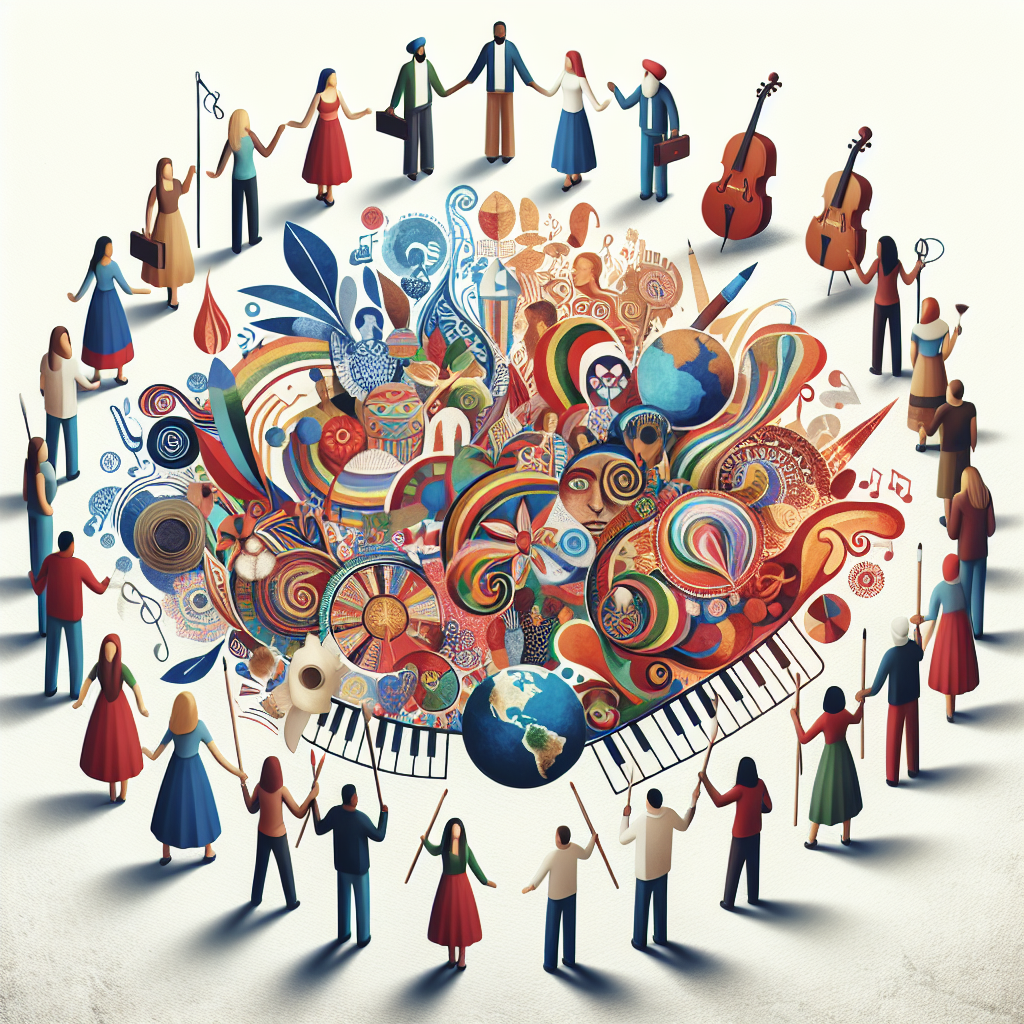
Arts and Society: A Two-Way Relationship
Arts and society are entwined in an ongoing exchange. The arts—whether music, theatre, film, dance, literature, design, or visual media—do more than decorate life. They help communities interpret events, negotiate values, and imagine futures. At the same time, societies influence which stories get told, which styles become prominent, and which creators receive support. When we talk about “arts and society,” we are really talking about a living system where culture, power, identity, and economy constantly interact.
How the Arts Reflect Social Realities
Art often serves as a record of how people live and what they fear or desire. A novel can capture the emotional texture of an era more vividly than statistics. A mural can document local heroes and losses. A protest song can crystallize a movement’s message into a chorus that travels farther than any speech.
Reflection does not mean passive mirroring. Artists select, exaggerate, compress, and stylize experience. That creative transformation can reveal patterns society prefers to ignore—such as inequality, displacement, environmental harm, or the pressures of modern work. Even entertainment carries signals about norms: romantic comedies teach audiences what love is “supposed” to look like; action films imply which kinds of violence are justified; fashion communicates class, gender expression, and aspiration.
Memory, Identity, and Belonging
Communities use the arts to preserve memory and transmit identity. Traditional crafts, ceremonies, oral storytelling, and local music connect people to ancestors and place. In multicultural societies, the arts can also become a bridge: festivals, translation, and cross-genre collaborations help communities understand one another without requiring total agreement.
At their best, the arts widen the circle of belonging by making room for diverse experiences. At their worst, they can reinforce stereotypes or erase minority voices. This is why representation—who is seen, who is heard, and who is funded—remains a central social question.
How the Arts Influence Social Change
Art can shift public perception faster than policy. A compelling documentary may turn a distant issue into a personal concern. A play staged in a neighborhood may spark conversations that local councils avoid. Satire can puncture propaganda. Design can change how people behave in public spaces—through architecture, signage, and accessibility features.
The arts influence society through two key mechanisms: emotion and imagination. Facts tell us what is happening; art helps us feel what it means. And by modeling alternative worlds—utopias, dystopias, or simply different ways of living—artists expand what citizens consider possible.
Civic Dialogue and Democratic Health
Healthy societies need places where disagreement can be explored without immediately becoming violence or silence. The arts can provide that space. Museums host debates; theatre puts moral dilemmas on stage; community storytelling invites testimony from people who rarely hold microphones. These settings do not automatically produce consensus, but they can create shared reference points that make discussion less abstract and more humane.
Institutions, Power, and Access
Because art carries social meaning, it also attracts power. Governments fund museums and orchestras; corporations sponsor festivals; philanthropists shape collections. These investments can preserve heritage and expand public access, but they can also set boundaries around what is “acceptable,” “marketable,” or “national.” Censorship, self-censorship, and political pressure have long been part of cultural history.
Access is not only about ticket prices. It includes geography (who has a nearby venue), time (who can attend events around work schedules), and social comfort (who feels welcome in a gallery). Digital distribution has widened access, but it has also created new gatekeepers through platform algorithms and attention economies.
The Cultural Economy: Work Behind the Work
Art is a vocation and a livelihood. Behind each performance and exhibition are contracts, rehearsal hours, equipment costs, and often precarious employment. When societies underpay creators, cultural life becomes less diverse: only those with outside support can persist. Strong arts ecosystems typically include fair labor practices, local funding, education pathways, and spaces for experimentation that are not immediately judged by profit.
Arts Education and Social Mobility
Arts education is frequently defended as enrichment, but its social function is broader. Learning an instrument teaches discipline and listening; studying theatre builds collaboration and empathy; visual arts develop observation and risk-taking. These capacities matter in civic life and in many careers, including technology, healthcare, and entrepreneurship.
Equitable access to arts education can also influence social mobility. When creative opportunities are concentrated in affluent areas, talent elsewhere may never be discovered or developed. Programs that bring teaching artists into schools, support youth studios, or provide community instruments and rehearsal spaces can reshape who gets to participate in cultural production.
Public Space, Urban Life, and Community Arts
Arts are not confined to formal institutions. Street performance, community choirs, neighborhood murals, and pop-up exhibitions turn public space into a shared cultural commons. These practices can strengthen local ties, reduce social isolation, and increase pride of place.
However, culture-led development has a complicated relationship with gentrification. A thriving arts scene can raise a neighborhood’s profile, increasing rents and displacing the very communities that produced its character. Responsible cultural planning requires policies that protect affordable housing and sustain local ownership alongside investment in creative infrastructure.
Technology, Media, and the New Cultural Landscape
Digital tools have transformed who can make art and how audiences find it. Affordable software enables independent filmmaking and music production; social platforms can launch careers overnight. At the same time, creators may feel pressure to produce constant content, tailor work to short attention spans, or chase metrics rather than meaning.
Emerging technologies—such as generative AI, virtual production, and immersive experiences—raise new social questions about authorship, consent, and cultural ownership. Societies will need norms and laws that protect human creators, respect communities whose styles are sampled, and encourage innovation without erasing the value of lived experience.
What a Flourishing Arts-and-Society Relationship Looks Like
A society that values the arts does not treat them as an afterthought or luxury. It recognizes them as infrastructure for meaning-making, cohesion, critique, and joy. Flourishing cultural life is plural: it includes classical and popular forms, heritage and experimentation, local traditions and global exchange.
- Broad access: Affordable entry points, inclusive venues, and cultural resources distributed beyond major urban centers.
- Support for creators: Fair pay, transparent funding, and protections for artistic freedom.
- Education and participation: Arts learning as a normal part of schooling and community life, not a privilege.
- Respect for diversity: Representation in leadership, programming, and archives—so cultural memory reflects real populations.
- Space for dissent and delight: Room for critique, humor, grief, celebration, and everything in between.
Ultimately, the arts help societies practice being human together. They make private feeling visible, transform conflict into conversation, and remind communities that beyond productivity and politics, people also need beauty, play, and stories that tell them they are not alone.