

Growing Dwarf Orange Plants: How to Encourage Larger Fruits
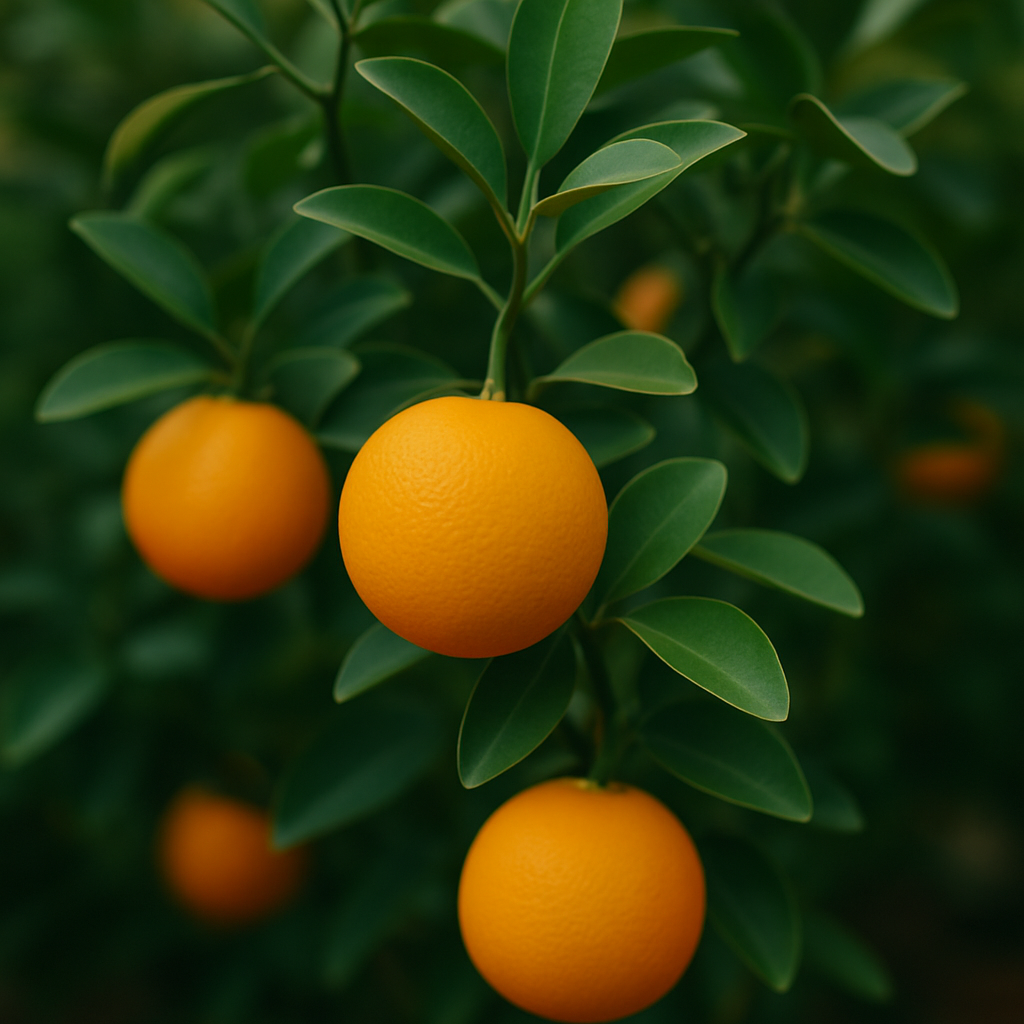
Dwarf orange plants are a favorite among home gardeners. Compact, attractive, and productive, these small trees can thrive in containers, patios, or backyards while rewarding you with fresh, homegrown citrus. However, many growers notice that the fruits from their dwarf trees are smaller compared to those from full-sized orange trees.
So, how can you promote larger and better-quality fruit from your dwarf orange plant? Let’s explore.
Why Dwarf Oranges Tend to Be Smaller
The size of the fruit is primarily determined by genetics. Dwarf citrus are grafted onto dwarfing rootstock, which naturally limits tree size. While this makes them easier to grow in small spaces, it also tends to result in smaller fruits.
That said, the good news is: with the right care, you can maximize the fruit size within the natural limits of your plant.
Tips to Promote Larger Fruits
1. Provide Plenty of Sunlight
Citrus trees love the sun. For larger, sweeter oranges, ensure your plant receives 6–8 hours of direct sunlight daily. If you’re growing indoors, consider placing it near a south-facing window or supplementing with a grow light.
2. Balanced Watering
Consistent moisture is key. Keep the soil evenly moist but never waterlogged. Allow the top inch of soil to dry slightly before watering again. Fluctuations—letting the soil dry out completely or staying too wet—can stress the tree and lead to small fruit.
3. Feed With Citrus Fertilizer
Dwarf orange trees are heavy feeders. Use a citrus-specific fertilizer rich in nitrogen, potassium, and micronutrients like magnesium and iron. Fertilize monthly during the active growing season (spring through early autumn) to give the plant the energy it needs for bigger fruits.
4. Thin the Fruit Early
Dwarf oranges often produce more fruit than the plant can support. By thinning (removing some of the small, early fruits), you allow the tree to focus its energy on fewer oranges, which can develop into larger ones.
5. Repot When Needed
If your plant is container-grown, make sure it isn’t rootbound. A cramped root system can limit nutrient and water uptake. Repotting every 2–3 years into a slightly larger container with fresh, well-draining soil encourages healthier growth and better fruit size.
6. Prune for Balance
Pruning helps balance the tree’s structure and reduces overcrowding. A well-shaped tree with good airflow will channel more energy into fruit development instead of excessive foliage.
7. Ensure Pollination
Citrus flowers need proper pollination for good fruit development. If your plant is indoors, gently shake the flowers or use a small brush to transfer pollen. Outdoors, bees and other pollinators usually do the job.
What to Expect
Even with the best care, your dwarf orange tree won’t produce supermarket-sized oranges like a standard Valencia or Navel tree. However, the fruit can still be larger, juicier, and sweeter than if the plant were left alone. With patience and consistent care, you’ll get the best yield possible from your compact citrus.
Final Thoughts
A dwarf orange tree is a perfect companion for gardeners with limited space. While you can’t change its genetics, you can absolutely maximize fruit size and quality with proper sunlight, watering, feeding, thinning, and repotting. The result? Delicious homegrown oranges that punch above their size in flavor and freshness.